About Us
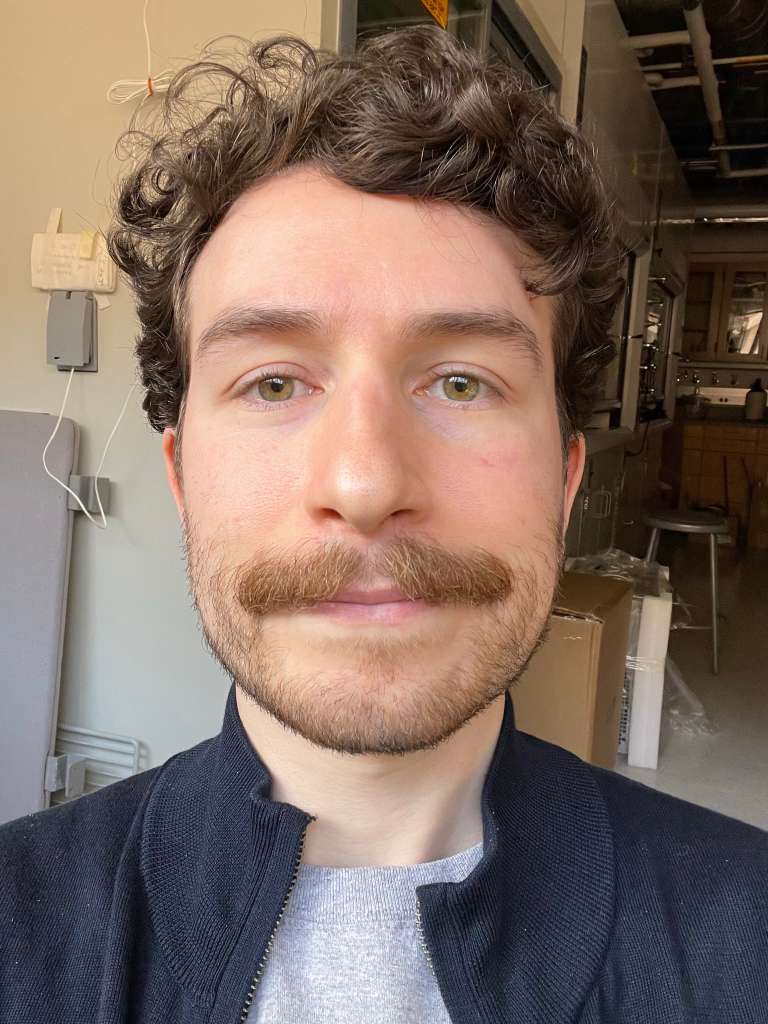
Leopoldo E. Posada Escobar, Ph.D. Candidate, Department of Chemistry & Biochemistry, UMBC
“Simply put, without collective bargaining, graduate students have no real control over their working conditions. Although UMBC, like other institutions, asserts that they have our best interests at heart, we are never offered a seat at the table when it comes to the administrative decisions that directly impact our lives. A union is the best way to ensure that our voices are heard and the issues that we face are addressed.”

Hannah Seppala, 5th year PhD student at UMBC
“There are so many issues that graduate students face, regarding power structures, payment inequality, and workplace conditions. I believe that a union can really help address these.”

Yoni, second-year M.A. student in Historical Studies at UMBC
“Logically, I know I’m lucky. My supervisor is friendly and easy to work with, my hours are reasonable, and I enjoy the work. Yet I cannot help but be terrified of what could go wrong. I can’t afford this degree without my GAship. This power imbalance means that there’s little I feel safe saying ‘no’ to. The only reason my experience has been as good as it has is that my supervisor refuses to abuse her authority.
Yet this power imbalance should not exist at all. This is why I support forming a union. If we want to defend our rights, we need the power to do so. We gain this power by working together. Though the administration can easily ignore a single student worker, they cannot ignore us all. Through our collective strength, we will force UMBC to build a campus where student workers can feel safe.”
Kamal Acharya, PhD Candidate, Department of Information, UMBC
“Graduate student workers play a vital role in the academic and research mission of the university. Organizing provides a structured and collaborative platform to engage with the administration on matters such as compensation, workload clarity, and workplace standards. It also creates opportunities for graduate students to learn from one another, share concerns, and work collectively toward practical solutions. Through open communication and shared problem-solving, organizing can help reduce unnecessary stress and contribute to a more supportive and sustainable graduate student experience.”

Kennedy Davis, 3rd year PhD candidate at UMBC
“I look for additional work opportunities to try to make ends meet. Recognizing that my department’s stipend is considered one of the higher ones, I am deeply concerned for the financial stability and well-being of my colleagues in departments with even lower funding.”

Brandon Fonseca, Chemistry
“I decided to support a union here at UMBC for the protections they will provide those here working incredibly hard, only to not be safely supported. I am fortunate that I have the means to support myself and can live off my current wage, however there are those who can’t and struggle with the cost of living while doing highly specialized work. This is especially true for those who are international students, who not only are at risk of being sent home if they do anything wrong, but also often have to support family on an incredibly low wage. A union will work to protect them and all of us. We should not support this for ourselves, but for those who come after.”
Mike Kooken, Biology
“As graduate students at UMBC, we perform essential labor that keeps the university running. As research and teaching staff, our work brings in the grant funding, advances public knowledge, and supports undergraduate education. Despite this, we are denied the basic workplace right to organize and the University classifies us as “students” when it is convenient for them but as workers when they need our labor.
Our stipends fall far below the cost of living in the surrounding area, and we are typically barred from seeking outside employment to make up the difference. When concerns are raised, we are offered a “feedback” process without any requirement that the administration negotiate or act in good faith. That is not accountability nor is it fair, and frankly should be illegal.
Legislation granting us the right to unionize will correct this imbalance. Collective bargaining is a practical, proven way to secure fair wages, clear grievance procedures, and ensure dignity on the job. Universities should function through cooperation, not exploitation of graduate student labor.”

Pavan Raj Ravi, 2nd Year PhD student in the Information Systems Department
”Between rising rents and mandatory fees, it’s becoming harder for graduate students to focus on their degrees without constant financial stress. I believe organizing is the best way to ensure our stipends keep pace with the actual cost of living in Maryland, making graduate education at UMBC more equitable and sustainable.”
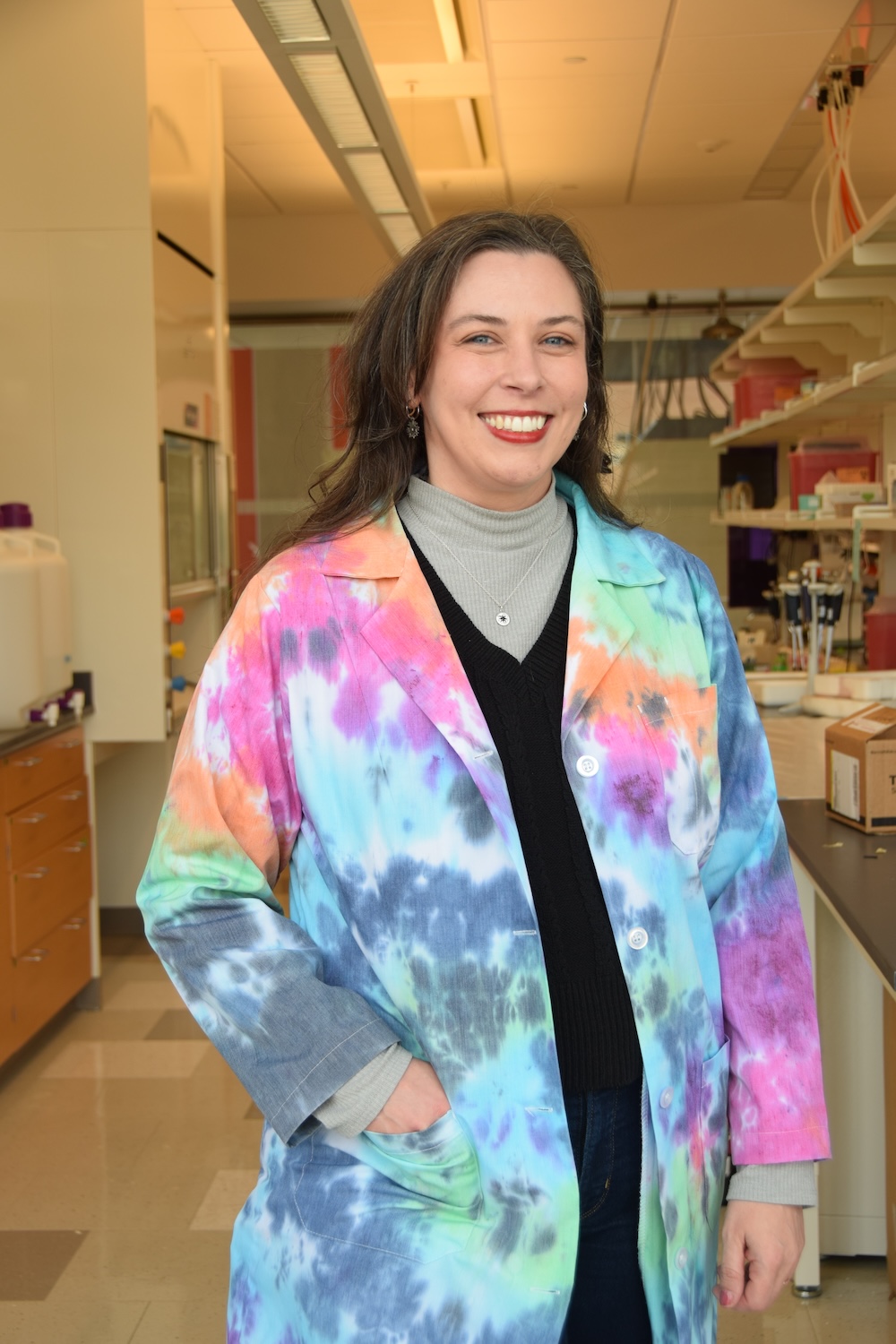
Tori LaChapelle-Sproat, Neuroscience PhD Student
“Graduate student labor is the backbone of any research university. We teach courses, mentor undergraduates, and conduct the research that drives institutional reputation and grant funding. Despite this, we currently have no say in our working conditions.
Without collective bargaining, we have no protections regarding our time. Advisors can currently require work on nights, weekends, or over 40 hours a week on top of our teaching and coursework obligations, without recourse. This lack of control over our schedules creates insurmountable barriers for graduate workers with children, who need predictable hours for childcare and family responsibilities. While UMBC touts ‘shared governance’, the GSA has no real seat at the table when decisions about stipends or working conditions are made.
A recognized union gives us that seat. Collective bargaining ensures fair compensation and working conditions, but also creates the foundation for collaboration between graduate workers and their institutions. Graduate student unions on the West Coast are currently working alongside their universities to challenge federal funding cuts. When workers have power, everyone benefits.”
Nick Anderson, Biology PhD Student
“Being disabled adds many unique challenges on top of the normal stresses of graduate school. While generally UMBC’s practices and policies do a sufficient job in supporting my work, I have concerns about how these policies may change in the future, given the current climate. While students with disabilities are protected by the minimums set by the ADA, we often have little input into how policies are actually implemented, and have to work around weak policies meant to help us. Unionizing will allow students with disabilities to negotiate for more support than they could alone.”
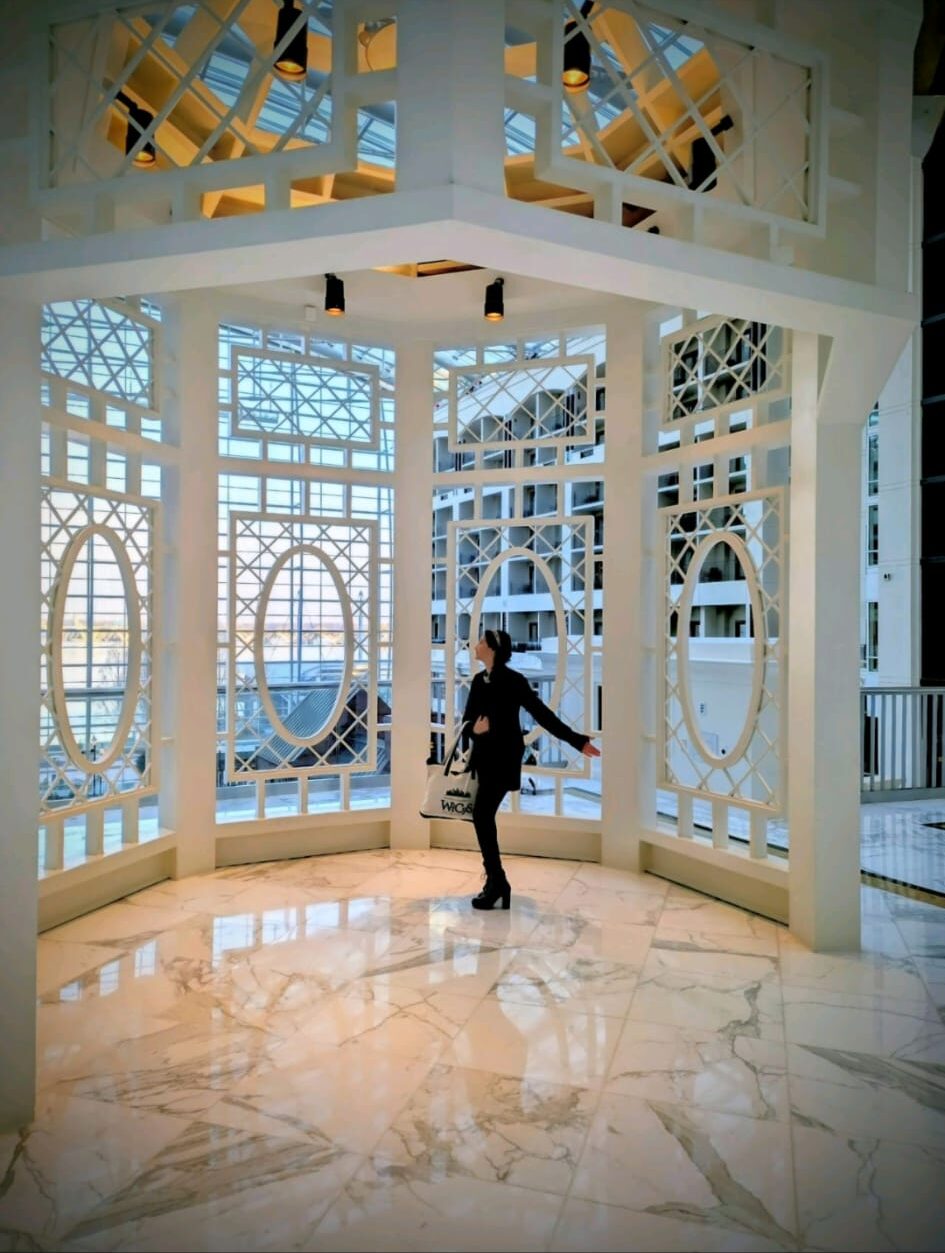
Aniqa Afzal, Information Systems PhD Student
“I want to form a union because I deeply care about student voices being heard, all GA (TA and RA) getting paid on time and not stressing to choose between education and daily life responsibilities, students being able to report work problems anonymously without penalty, and student parents not having to worry about Kids and Schools times and responsibilities at once. There are several resources on campus that grad students are connected to, but how much benefit students receive from them, we need to find out. That’s why I care about forming a union that can help students settle, especially immigrants and others who are not familiar with the education and employment system in the US.”